Condition evidence
Decode what the condition label actually means
Treat “open-box,” “refurbished,” “renewed” and “used” as starting descriptions, not proof of a standard process. Ask whether the item was only returned, whether it was inspected or repaired, who performed that work and which defects or cosmetic marks remain. The FTC advises checking the actual listing and photos because used or refurbished goods may not be in top condition.
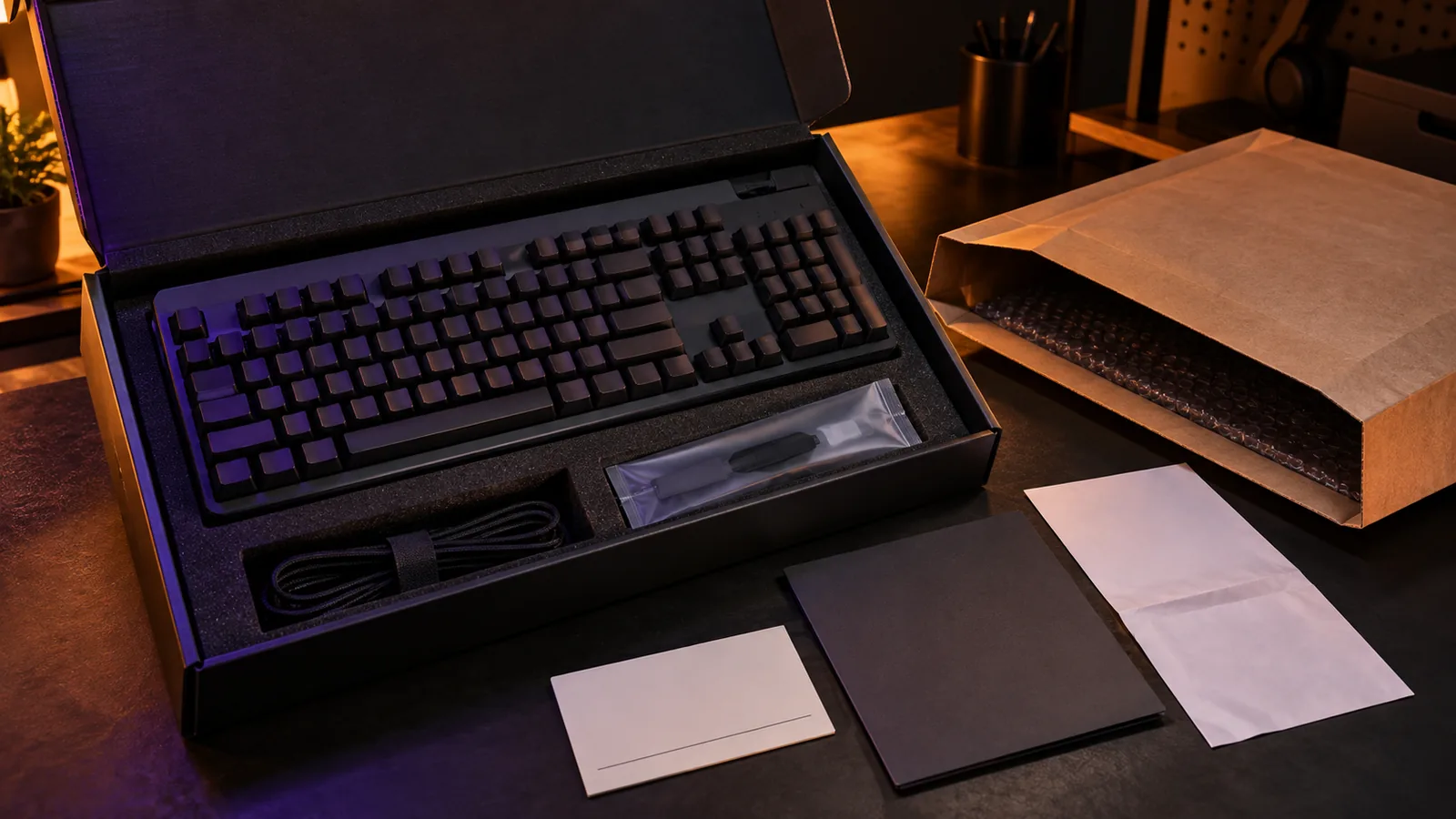
Match the serial or product identifier, revision and included parts to the listing. Prefer photos of the actual unit over stock photography, and save the description before purchase. Canada’s online-shopping guidance specifically recommends checking whether an item is new, refurbished or used and retaining the product information for a possible complaint.
Parts and battery
Check the parts that age, wear or disappear
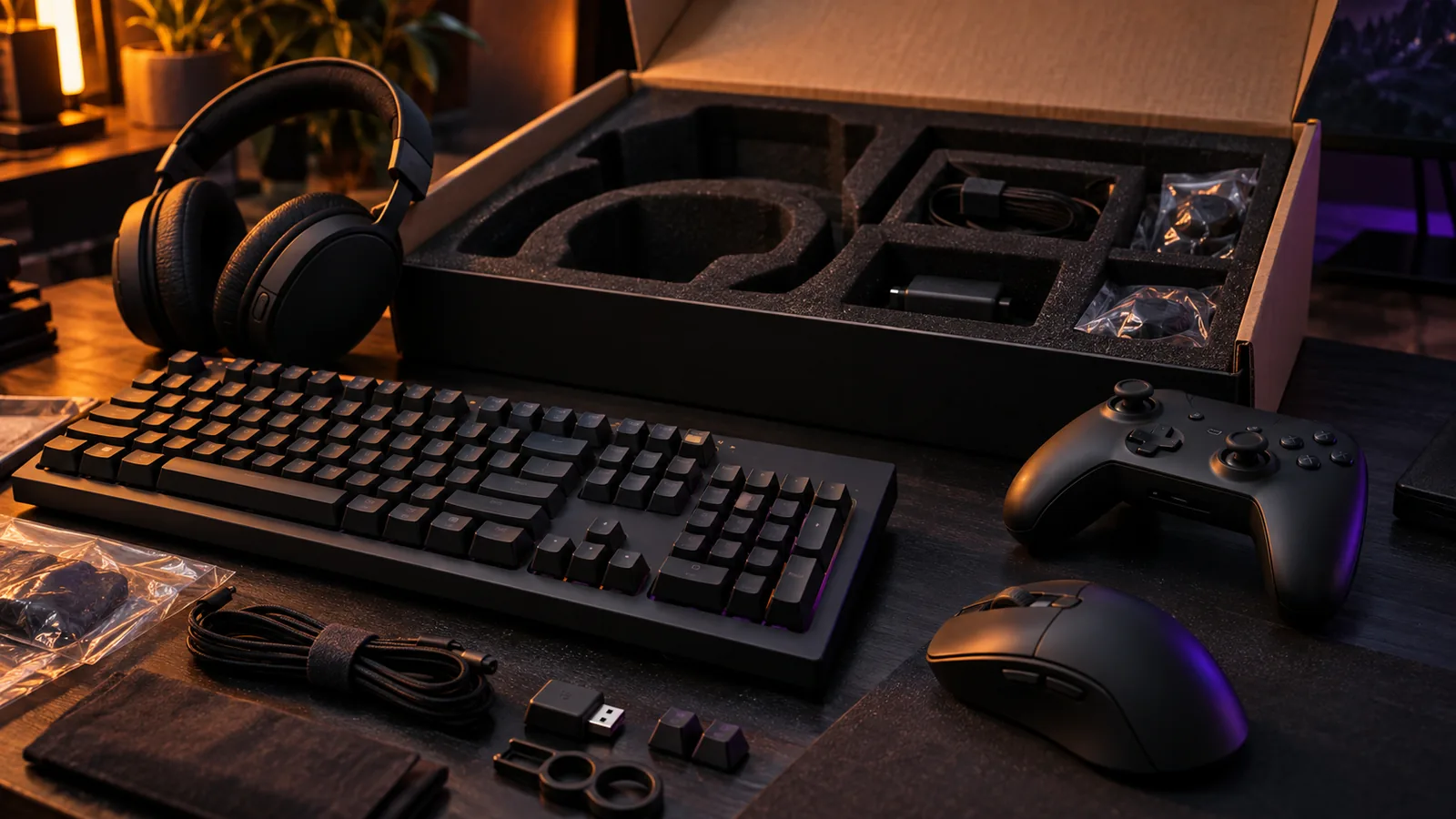
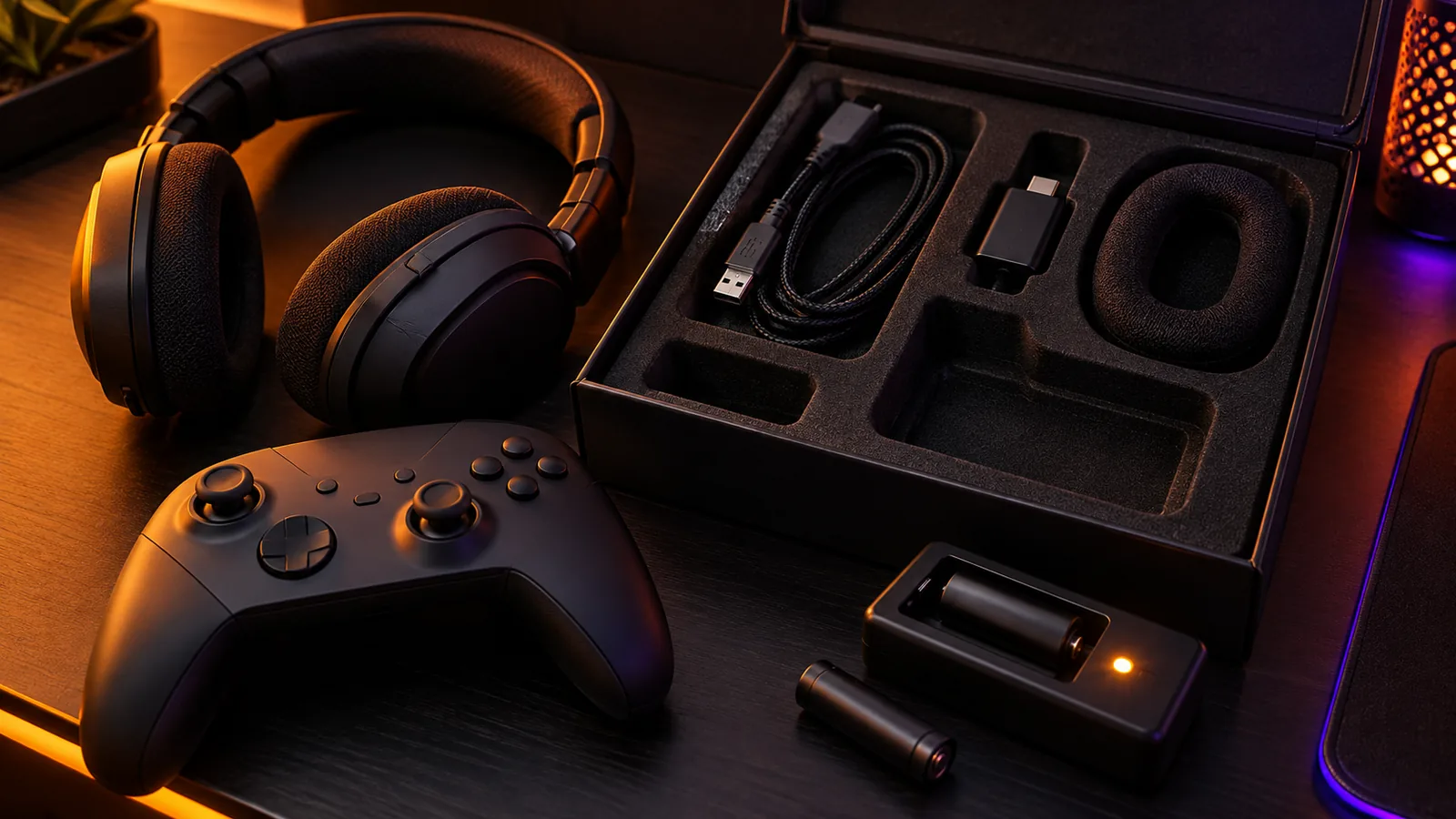
Build a checklist from the manufacturer’s current manual or package contents: power supply, charging cable, wireless receiver, adapters, mounts, detachable microphone and replacement parts. A peripheral can look complete while a small proprietary receiver or bracket is missing, making the real replacement cost higher than expected.
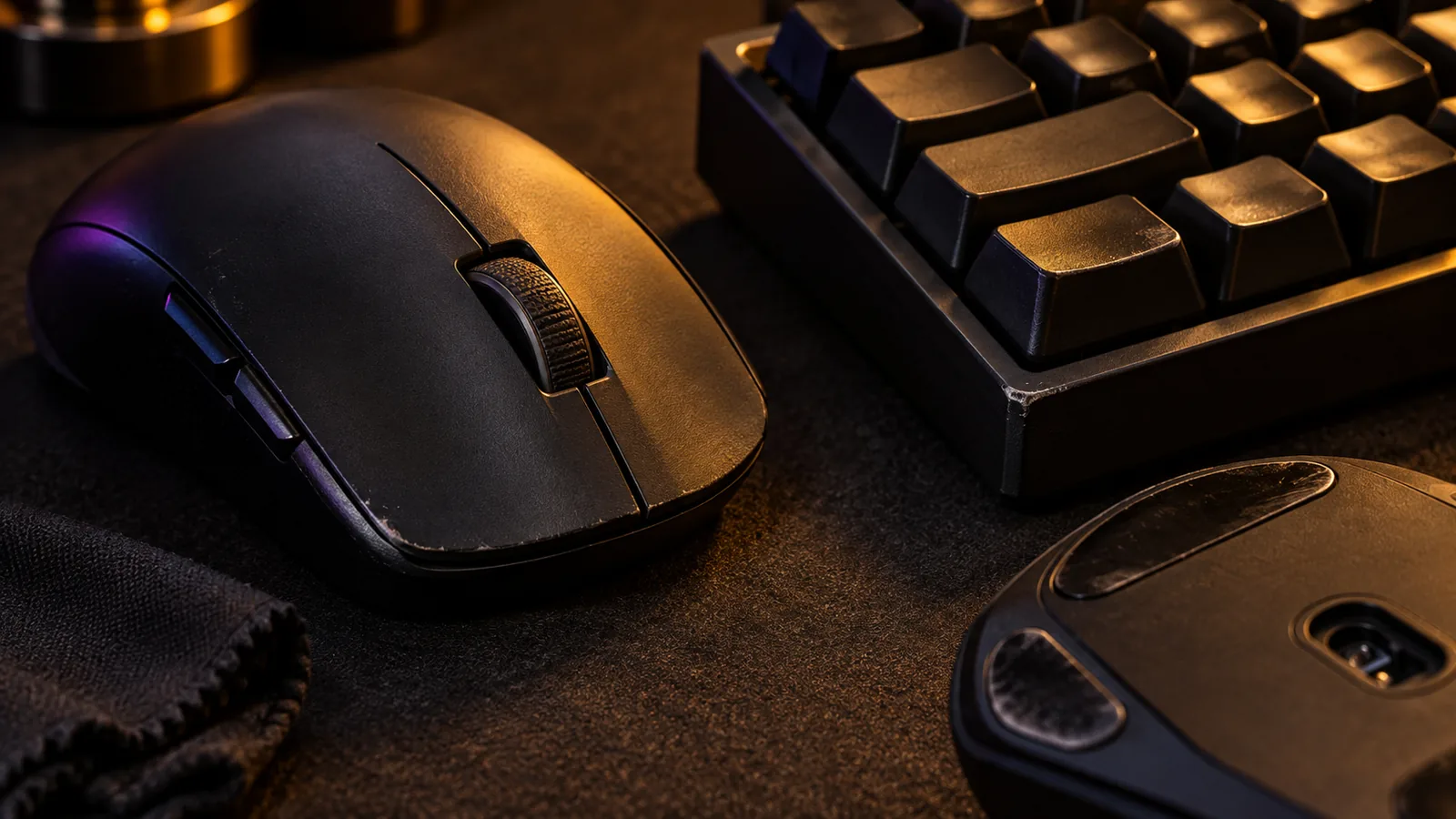
For wireless gear and gaming laptops, ask what battery information is available and test normal operation both connected and unplugged as soon as the item arrives. Inspect ports, hinges, switches, feet, ear cushions, keycaps and cables under good light. Verify the model against Canada’s recall database before continued use, especially for powered or battery-equipped hardware.
Protection
Verify who stands behind the warranty and return
Determine whether protection comes from the manufacturer, retailer, refurbisher, individual seller or marketplace. Ask when coverage starts, how long it lasts, which parts and labour are included, who pays shipping and whether proof of the original purchase is required. ISED warns that manufacturer warranties may not apply across countries and recommends checking the exact terms before buying.
Read the return policy for this item condition and seller—not only the marketplace headline. In Canada, non-defective returns are generally governed by the seller’s policy, and exclusions or restocking costs can apply. Record the deadline, inspect and test the item immediately, and keep the listing, photos, messages, receipt, serial number and packaging until you decide to keep it.
DECISION MATRIX
Compare the checks that matter.
Use this summary to keep your decision focused before you compare specific options.
| Decision | Compare | Confirm before buying |
|---|---|---|
| Condition evidence | The seller’s label against photos of the actual unit, disclosed repairs, wear and test results. | Identify who inspected or refurbished it and save the condition description before ordering. |
| Complete and usable | Included cables, receivers, mounts and replaceable parts, plus battery and port condition where relevant. | List every part required for your setup and plan a repeatable test for the return window. |
| Real protection | Who provides the warranty, what it covers, return timing, shipping costs and marketplace involvement. | Get the applicable warranty and return terms in writing for this seller and this item condition. |
TRADE-OFFS
Choose the compromise that fits.
Neither option is universally better. Match the trade-off to your situation and verify the exact conditions.
OPTION 01
Accept cosmetic wear for a lower cost
- Works when
- The actual unit is documented, every required accessory is present and functional risk is covered by a usable return path.
- Watch for
- A missing receiver, worn battery or damaged port can erase the saving even when the exterior looks clean.
OPTION 02
Pay more for clearer protection
- Works when
- You cannot inspect the unit first or need predictable warranty service and a simple return process.
- Watch for
- A reassuring label has little value unless the responsible party, coverage and exclusions are written down.
QUICK ANSWERS
Frequently asked questions.
Do “open-box” and “refurbished” guarantee a specific condition?
No universal label tells you exactly what happened to an item. Ask whether it was merely returned, inspected, repaired or had parts replaced, and rely on the written condition description and actual-unit evidence rather than the label alone.
Does the original manufacturer warranty always continue?
Do not assume it does. Coverage can depend on the seller, country, proof of purchase, serial number and warranty terms. Confirm who will handle a claim, when coverage begins and whether this condition and purchaser are eligible.
SOURCES & VERIFICATION
Check the primary guidance.
These official references support the general checks in this guide. For a specific product or service, confirm the current official documentation before buying or subscribing.
- Innovation, Science and Economic Development CanadaOnline shopping
- Innovation, Science and Economic Development CanadaWarranties
- Innovation, Science and Economic Development CanadaRefund and exchange
- Competition Bureau CanadaWarranties and guarantees
- Federal Trade CommissionBuying From an Online Marketplace
- Government of CanadaFind recalls, advisories and safety alerts